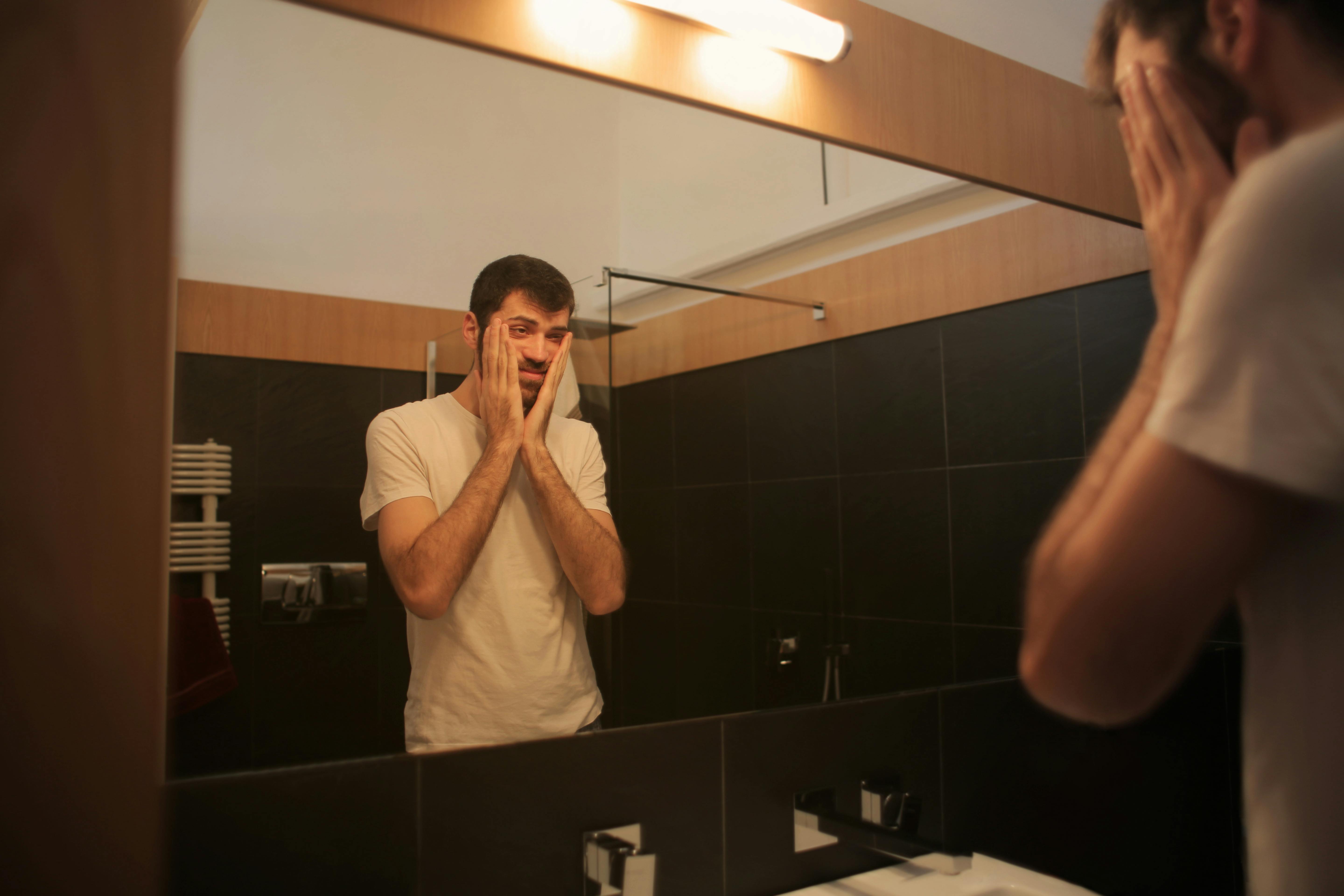
When emotions, relationships, or long-standing behavioral patterns begin to affect your daily life, professional treatment can help.
Dr. Emily Ross, LCSW β’ Clinical Lead
Personality disorders are mental health conditions that affect the way a person thinks, feels, relates to others, and responds to everyday situations. These patterns are often deeply ingrained and may make it difficult to maintain healthy relationships, regulate emotions, or cope with stress.
Many people living with a personality disorder don't realize their struggles have a nameβor that effective treatment is available. Seeking help isn't about changing who you are; it's about learning healthier ways to navigate life.
We connect you with highly specialized clinicians experienced in treating the full spectrum of personality disorders.
BPD is characterized by intense emotions, unstable relationships, impulsive behaviors, and a shifting sense of identity. Many struggle with an overwhelming fear of abandonment or emotional pain.
Involves self-esteem struggles, sensitivity to criticism, and challenges in maintaining healthy connections. Treatment focuses on developing emotional awareness and empathy.
Characterized by an intense fear of criticism, rejection, or embarrassment, which often leads individuals to avoid social situations and relationships.
Involves a strong need for reassurance and support from others, making independent decisions difficult. Treatment builds self-confidence and autonomy.
OCPD involves an excessive focus on perfectionism, orderliness, and control that can interfere with daily life. Therapy helps develop flexibility.
Persistent distrust, suspicion, and difficulty relying on others. Treatment provides a safe space to build interpersonal trust.
Everyone experiences emotional ups and downs, but when these patterns begin affecting your relationships, work, or daily life, professional treatment can help.
Struggling to keep stable connections or cycling through intense love-hate dynamics.
Rapid emotional swings, overwhelming anger, or extreme anxiety that feels impossible to calm down.
Constant worry that friends, family, or partners will leave, leading to desperate efforts to keep them close.
Engaging in risky actions, unsafe choices, or self-harming habits as a way to cope with deep emotional pain.
A chronic sense of hollow detachment from yourself, or feeling isolated even when around others.
Unclear or shifting self-image, goals, values, and constant doubt about who you truly are.
Select the patterns you are currently noticing in your daily life:
Personality disorders often occur alongside other mental health conditions. Treating both at the same time can lead to better long-term outcomes and more complete healing.
From highly structured residential recovery to flexible outpatient therapy sessions, we help you find the appropriate level of support.
Structured environment with 24/7 clinical care for intensive recovery needs.
Comprehensive daytime treatment while returning home in the evenings.
Flexible treatment that fits around work, school, or family commitments.
Ongoing support for long-term recovery and continuous symptom management.
Our partner programs utilize clinically proven, highly structured therapeutic methodologies tailored to personality disorder recovery.
Specifically designed to help individuals regulate intense emotions, manage distress, practice mindfulness, and resolve relationship conflicts.
Helps recognize and modify unhelpful core beliefs and thought patterns, replacing them with healthy behavioral coping strategies.
Addresses past emotional trauma and attachment issues in a deeply supportive, safe, and validating environment.
One-on-one sessions with licensed mental health experts to gain deep clinical insights and outline personalized recovery goals.
A collaborative environment to build communication skills, practice validation, and learn DBT skills alongside supportive peers.
Strengthens familial relationships, improves boundaries, and educates family members on supportive communication strategies.
Takes about a minute. Completely free, confidential, and zero obligation.
Personality disorders don't just affect one personβthey can impact families, friendships, and everyday life. Seeking treatment can help improve communication, strengthen relationships, and create a more stable future for everyone involved.